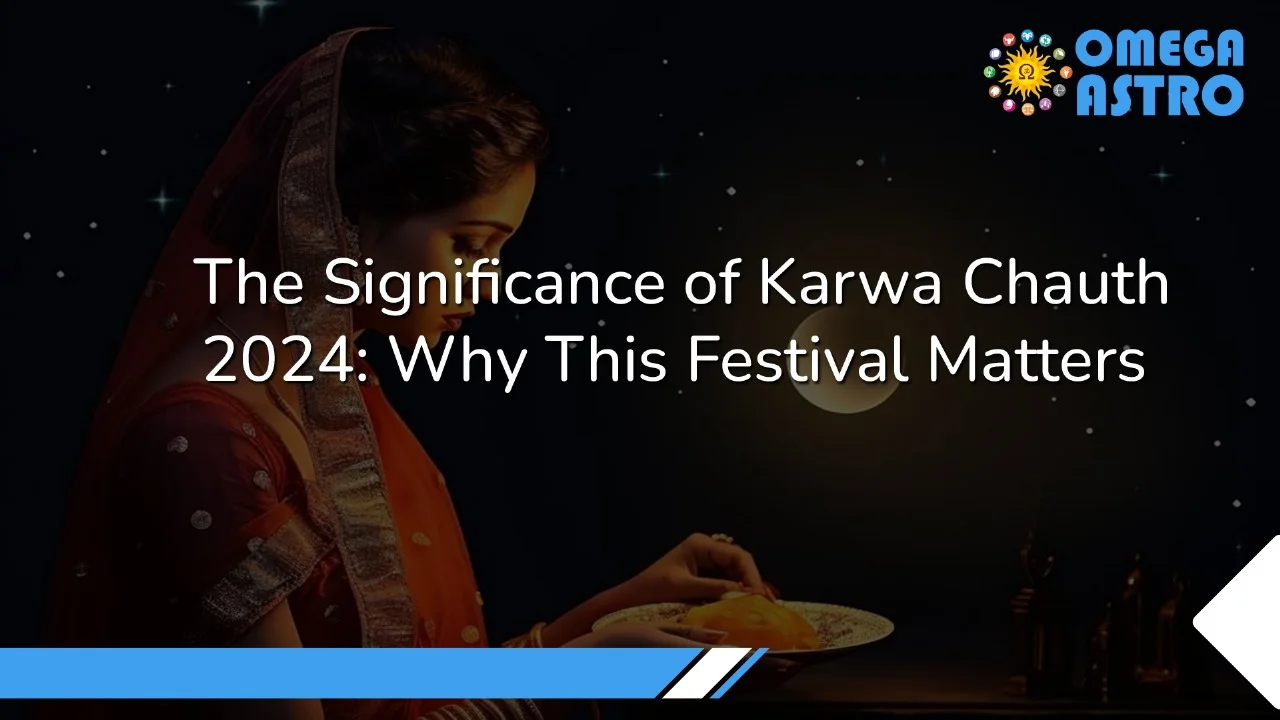
There are very few festivals in India that carry the kind of emotional weight Karwa Chauth does. The smell of incense, the glow of diyas, women dressed in their finest red and pink, hands adorned with mehendi, eyes full of hope and love — this is what Karwa Chauth looks like. It is not just a fast. It is a feeling, a tradition, and for millions of married women across India, it is one of the most awaited days of the year.
As we step into 2026, Karwa Chauth once again brings with it the warmth of love, the strength of commitment, and the beauty of a tradition that has survived centuries.
The History Behind Karwa Chauth – Where Did It All Begin?
The word Karwa refers to an earthen pot, and Chauth means the fourth day of the Krishna Paksha in the month of Kartik. Together, they define a festival that goes back thousands of years in Indian history.
In ancient times, when husbands left home for battles or long journeys for trade, their wives would observe this fast — praying for their safe return, their good health, and a long life. It was a way of holding onto hope when the person you love is far away.
Over the years, the context has changed. Husbands no longer go off to war, but the sentiment behind the fast remains exactly the same. A wife fasts through an entire day without food or water — not because someone told her to, but because she genuinely wants to. That kind of devotion is rare, and that is what makes this festival so special.
Karwa Chauth 2026 – Date and Auspicious Timings
Karwa Chauth 2026 falls on Thursday, October 29, 2026. Drikpanchang
- Puja Muhurat: 5:38 PM to 6:56 PM (Duration – 1 Hour 17 Minutes) Drikpanchang
- Moonrise Time (New Delhi): 8:17 PM — timings will vary slightly depending on your city Drikpanchang
- Chaturthi Tithi Begins: 1:06 AM on October 29, 2026 Chaturthi Tithi Ends: 10:09 PM on October 29, 2026 Astroyogi
Make sure your thali is ready before the muhurat begins. The puja should ideally be completed before the moon rises so the moonrise ritual flows naturally right after.
Karwa Chauth Rituals – A Complete Step-by-Step Guide
1. Sargi – Before Sunrise The day begins in the early hours of the morning, usually around 4 to 5 AM. The mother-in-law prepares sargi for her daughter-in-law — a tray that typically includes sweets, fruits, mathri, dry fruits, and items of shringar. This meal must be eaten before sunrise, after which the fast begins. This tradition is a beautiful expression of the bond between a mother-in-law and daughter-in-law.
2. The Nirjala Fast Once sargi is consumed, the fast begins — and it is a nirjala fast, meaning no food and no water until the moon is sighted at night. It is one of the most demanding fasts in the Hindu calendar. Women who observe it say it is not just a physical practice but a deeply emotional one as well.
3. Karwa Chauth Katha In the afternoon, women gather — in their neighborhoods, at temples, or in each other’s homes — to listen to the Karwa Chauth Katha. This story is the heart of the festival. Sitting together with a karwa in hand, the katha is read or narrated, and women pray together. This moment of togetherness is something many women look forward to all year.
4. Getting Ready for the Evening As the evening approaches, married women dress up beautifully. Red, maroon, and deep pink are the most popular choices. Bangles, sindoor, bindi, and freshly applied mehendi complete the look. It is one of those evenings where every woman looks and feels her best.
5. The Moonrise Ritual When the moon appears in the sky, women first look at it through a sieve, then turn the sieve to look at their husband’s face. An offering of water, rice, and roli is made to the moon. This moment — the quiet prayer under the moonlit sky — is perhaps the most emotional part of the entire festival.
6. Breaking the Fast The fast is broken when the husband offers water and food to his wife with his own hands. That first sip of water after a long, tiring day of fasting carries more meaning than any words can describe. It is a moment of love, gratitude, and relief all at once.
What Is Different About Karwa Chauth in 2026?
The tradition remains intact, but the way people celebrate has evolved — and in a beautiful way.
Many husbands now choose to fast alongside their wives. It started as a gesture of solidarity and has now become a meaningful part of how modern couples observe this festival together.
Women who live away from their families recreate the ritual on video calls — listening to the katha online, receiving blessings virtually, and still making the day feel complete.
Working women step out of offices in their finest attire, thali in hand, and gather with colleagues or neighbors to observe the puja. The festival finds its way into every setting.
The core has not changed. Only the ways of expressing it have grown more inclusive.
Karwa Chauth and Astrology – Is There a Connection?
Many couples, especially those who have recently gotten married, use this time of the year to get their kundlis checked. Karwa Chauth is considered an auspicious period to seek guidance about married life — whether it is about compatibility, addressing a Mangal Dosha, or understanding what the coming year looks like for the relationship.
If you have been meaning to get an astrological consultation for your marriage, this is a good time to do it.
A Closing Thought
Karwa Chauth is one of those rare festivals where love is not just spoken — it is lived. A full day of fasting, hours of waiting, and that one moment under the moonlight make it unforgettable. In 2026, as you prepare for this beautiful day, carry the tradition forward with pride.
And if you are looking for guidance — whether about the festival, your marriage, or life in general — Omega Astro is always here to help. Our experienced astrologers offer personalized consultations so you can move forward with clarity and confidence.